
 By India VisaCategories Uncategorized
 India Visa for US Citizens: Latest Rules and Updates in 2026
By India VisaCategories Uncategorized 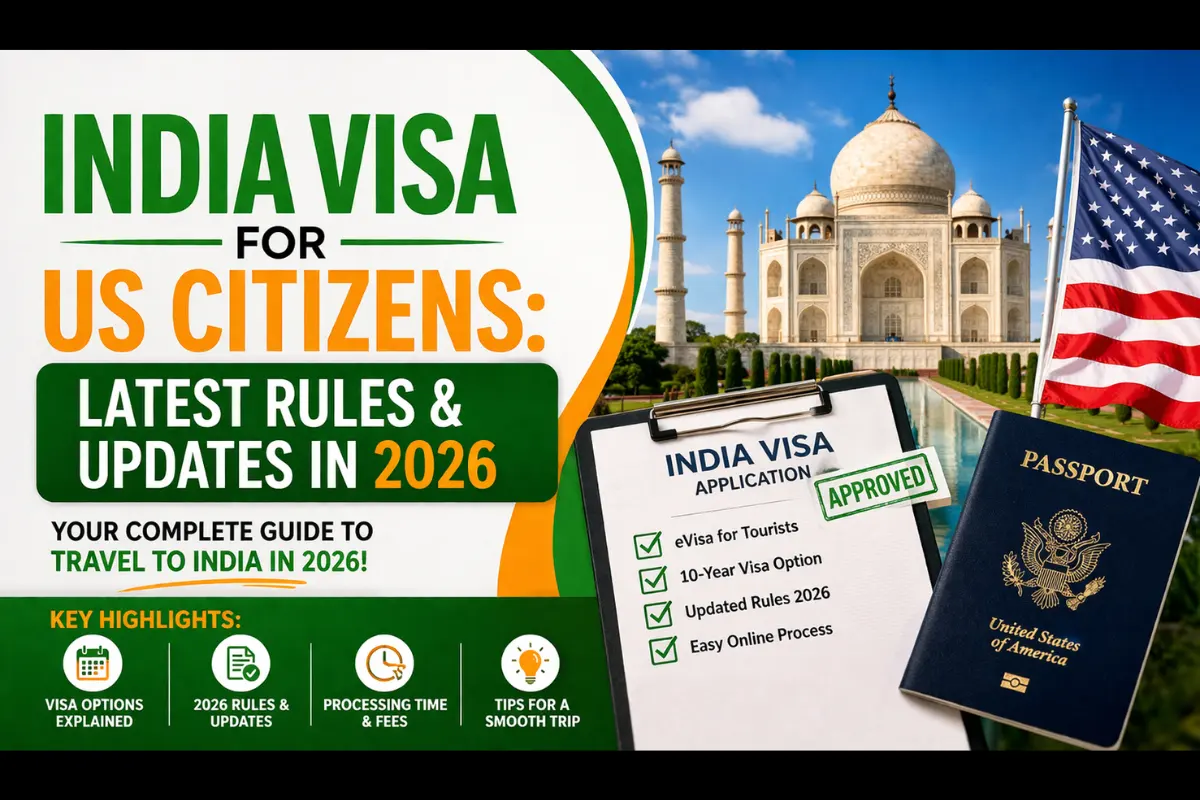
Traveling to India is exciting, but the visa process can feel confusing at first. The good news is that the official government system is now more straightforward than many travelers expect. For most US citizens, the main options are the Indian eVisa and the regular/paper tourist visa. India’s official portal also says foreign nationals must carry a valid visa or an eligible eVisa to enter the country, and it now allows the e-Arrival card to be submitted online within 72 hours before arrival.
In this guide, you will learn the latest India Visa for US Citizens rules, what changed in 2026, which visa type may suit your trip, and how to avoid common mistakes. If you are planning your trip soon, this simple breakdown will help you apply with confidence and save time. For a full checklist, you can also use our internal guides on India Visa Information and India Visa Online.
What US Citizens Need to Know in 2026
The biggest update to remember is that India’s official system clearly separates the visa from the e-Arrival card. The e-Arrival card is only travel arrival information, not a visa. It can be submitted online within 72 hours before arrival. Also, the official eVisa FAQ says visa on arrival is not available for US citizens; that facility is limited to Japan, South Korea, and certain UAE nationals.
Another important 2026 point is that long-duration regular tourist visas for USA nationals have been restored. The Embassy of India in Washington, DC states that valid long-duration 10-year regular tourist visas are available again for US nationals, and its fee page lists the tourist visa fee for USA nationals at US$160 for up to 10 years.
India Visa for US Citizens: Which Option Is Better?
1) India eVisa for US Citizens
The India Visa for US Citizens eVisa is the most convenient choice for many travelers. The official portal says eVisa is available for categories like tourist, business, conference, medical, and more. For tourist travel, the eVisa comes in 30-day, 1-year, and 5-year options. The 1-year and 5-year tourist eVisas allow multiple entries, while the maximum stay in India during one calendar year should not exceed 180 days.
The official process is fully online: apply, upload documents, pay the fee, and receive the ETA by email. The government also says the application is for one person only, and no changes are allowed after submission, so the details must be checked carefully before you click submit.
2) Regular/Paper Tourist Visa
A regular paper tourist visa may be better if you plan repeated long visits or want a traditional visa sticker in your passport. For US nationals, the Embassy of India says 10-year regular tourist visas are restored, which is useful for frequent travelers. The official embassy fee page lists US$160 for tourist visa validity up to 10 years.
Latest Rules for India Visa for US Citizens
Here are the most useful rules to remember before you apply for an India Visa for US Citizens:
- Your passport should have at least six months’ validity from your arrival date in India.
- Your passport should have at least two blank pages for immigration stamps.
- You should have a return ticket or onward journey ticket and enough funds for your stay.
- eVisa applications can be submitted at least 4 days before travel, and for many categories they can be made up to 120 days in advance.
- eVisa is non-extendable and non-convertible.
- If you enter on a visa valid for more than 180 days, registration with FRRO/FRO is required within 14 days of arrival.
- eVisa holders must enter through designated airports or seaports only.
These rules matter because they affect both approval and entry. A small mistake, such as entering the wrong passport number or choosing the wrong visa category, can create delays at the airport or even lead to rejection.
Benefits of Choosing the Right Visa
Choosing the right India Visa for US Citizens makes travel much easier. The eVisa is ideal for quick leisure trips, short business visits, conferences, and medical travel because the whole process is online and the approval comes by email. It is also helpful for travelers who want a simple application and do not want to visit a visa center.
The regular paper tourist visa has its own advantage: long validity. For US citizens who visit India often, the restored 10-year option can be more convenient than reapplying every time. That is why many frequent travelers compare both options before deciding.
Tips to Avoid Delays
To make your India Visa for US Citizens application smoother, keep these simple tips in mind:
- Apply early, not at the last minute.
- Use the exact name and passport details shown in your passport.
- Check your photo and passport scan before uploading.
- Save your ETA and travel documents in email and on your phone.
- Use only the official government website, not an agent claiming “fast approval.”
If your passport is renewed after your ETA is issued, the official FAQ says you may still travel with the new passport, but you should carry both the old passport with the ETA and the new passport together. That small detail can save a lot of stress at immigration.
Common Mistakes Travelers Make
Many applicants make the same avoidable mistakes with the India Visa for US Citizens process. The most common ones are waiting too long to apply, choosing the wrong visa type, entering the wrong travel dates, and assuming visa on arrival is available for Americans. Another common issue is trying to enter through a non-designated border point when the eVisa rules allow only approved airports and seaports.
A second mistake is using unofficial websites. The official eVisa FAQ clearly says the government website is the only official place to apply, and it warns travelers not to pay extra fees to agents or intermediaries claiming express processing.
Expert Advice for First-Time Visitors
If this is your first India trip, the easiest choice is often the eVisa for tourism, because it is simple, fast, and fully online. If you travel to India often, a 10-year regular tourist visa may be the smarter long-term choice. For longer stays, remember the FRRO/FRO registration rules, especially when your visa allows more than 180 days.
Also, do not forget the e-Arrival card. It is a new step many travelers overlook, but it is now part of the official arrival process and can be completed within 72 hours before landing in India.
FAQ: India Visa for US Citizens
- Do US citizens need a visa for India?
Yes. US citizens need a valid visa or eligible eVisa to enter India. The official portal says all foreign nationals require valid travel authorization.
- Can US citizens get visa on arrival in India?
No. The official eVisa FAQ says visa on arrival is only for Japan, South Korea, and certain UAE nationals.
- How early should I apply for an India Visa for US Citizens?
For most eVisa categories, you can apply at least 4 days before travel, and in many cases up to 120 days in advance.
- Is the India eVisa extendable?
No. The official FAQ says eVisa is non-extendable and non-convertible.
- What is the fee for an India tourist eVisa for US citizens?
The official fee table lists US tourist eVisa fees as US$10 for 30 days, US$25 for another 30-day season, US$40 for 1 year, and US$160 for 5 years, plus a 3% bank charge.
- Can I enter India by land border with an eVisa?
No. The official FAQ says eVisa entry is only through designated airports and seaports.
Conclusion
The India Visa for US Citizens process in 2026 is much easier when you follow the official rules. For short trips, the eVisa is the fastest and most convenient option. For frequent travel, the 10-year regular tourist visa may be a better fit. The key is to apply through the official portal, double-check your details, and understand the latest entry rules before you fly. With the right preparation, your India journey can begin smoothly and stress-free.